
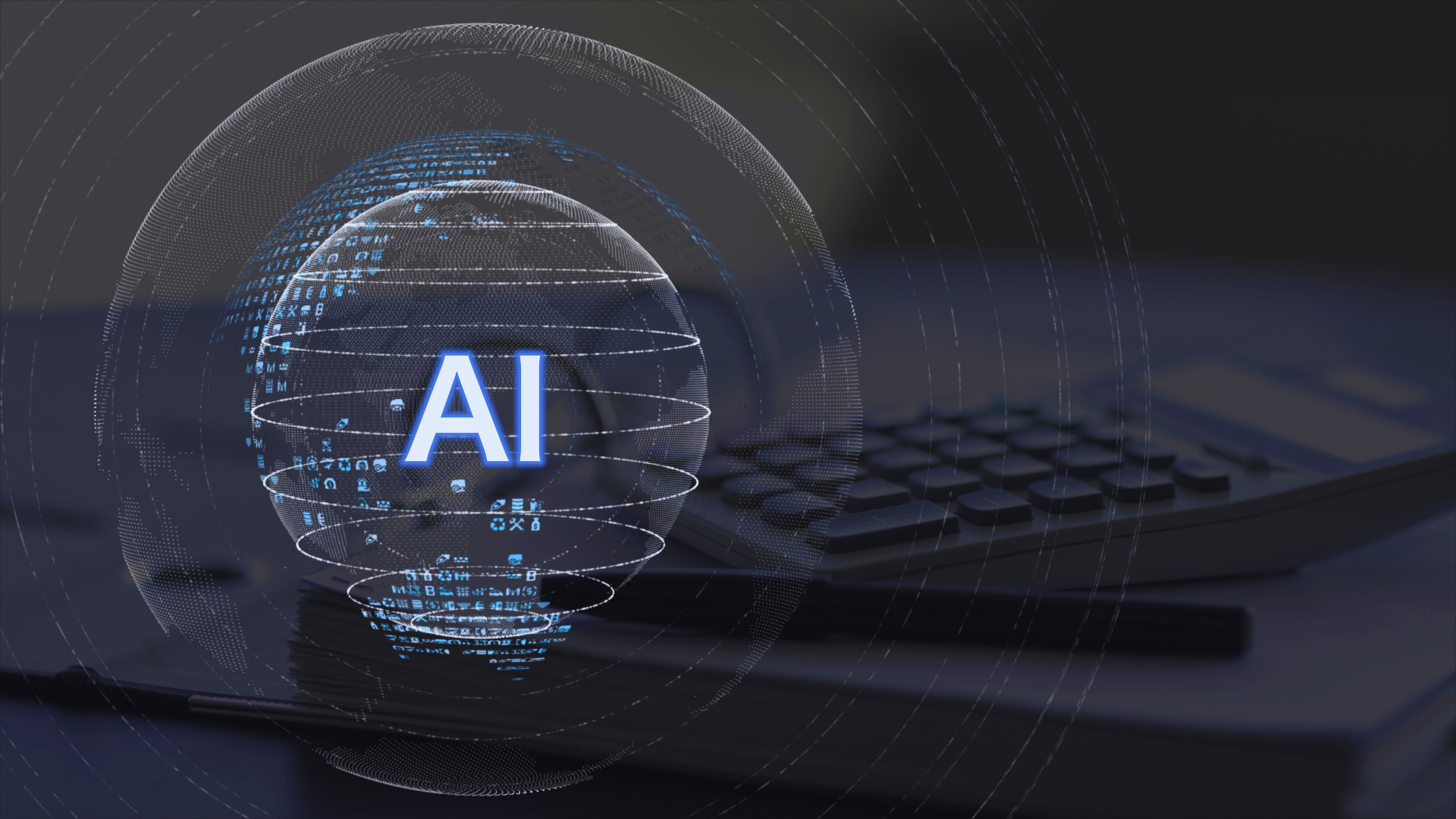
Generative AI is changing the landscape for content creators in significant ways. Automating the generation of text, images, and even music enhances creativity while reducing the time spent on repetitive tasks. This technology enables creators to focus on refining their ideas and executing more complex projects, ultimately leading to a richer creative output.
As tools powered by generative AI become more accessible, content creators can leverage these innovations to produce higher-quality work more efficiently. This new wave of technology provides opportunities for personalized content, allowing creators to tailor their messages to specific audiences with greater precision. The integration of AI into content creation not only broadens the scope of possibilities but also raises questions about originality and the creator’s role in the process.
Navigating this evolving landscape requires an understanding of both the capabilities and limitations of generative AI. With thoughtful integration of these tools, creators can harness their potential to enhance their workflows while maintaining authenticity in their work.
Understanding Generative AI and Its Core Technologies
Generative AI is transforming the landscape for content creators by leveraging advanced technologies. By comprehending its unique features and the key models involved, creators can adapt and harness its potential in their work.
What Makes Generative AI Unique
Generative AI stands out due to its ability to create original content from input data. Unlike traditional AI, which often focuses on classification tasks, generative models produce text, images, or music. This capability allows creators to explore new ideas and enhance their creativity by generating variations of existing content.
The uniqueness also lies in its adaptability. For instance, generative models can tailor outputs based on specific user prompts, making them more relevant and personalized. This flexibility is invaluable for content creators seeking to engage diverse audiences.
Key AI Models Shaping Content Creation
Several AI models play a crucial role in influencing content creation. Prominent among these are Generative Adversarial Networks (GANs) and Generative Pre-trained Transformers (GPT).
- GANs consist of two neural networks, a generator and a discriminator. The generator creates content, while the discriminator evaluates its authenticity. This back-and-forth process leads to high-quality outputs, especially in image generation.
- GPT, on the other hand, excels in text-based content. It leverages vast amounts of data to predict the next word in a sequence, resulting in coherent and contextually relevant text. Its ability to understand context makes it a powerful tool for writers.
How Neural Networks and Deep Learning Work
Neural networks form the backbone of generative AI, mimicking the human brain’s structure. These networks consist of layers of interconnected nodes, where each node processes input data through weights and biases.
Deep learning, a subset of machine learning, involves utilizing multiple layers within neural networks to improve feature extraction. This approach enhances the model’s capacity to recognize patterns in complex data, which is particularly important for creating sophisticated outputs.
In practice, these technologies enable the development of models capable of intricate tasks, from generating lifelike images to crafting compelling narratives. The synergy between neural networks and deep learning underpins the advancements in generative AI, making it a vital resource for content creators.
Transformative Impact on Content Creators
Generative AI has introduced significant changes to content creation, enhancing creativity and production efficiency. The integration of AI tools has redefined workflows, personalized audience engagement, and fostered innovative collaborations between humans and machines.
Enhancing the Creative Process
Generative AI augments the creative process for content creators by providing inspiration and assistance. Tools can analyze existing content to generate ideas or suggest improvements, allowing creators to focus on higher-level concepts.
For instance, AI can suggest plot twists in writing or recommend visual styles for graphic designs. This capability helps streamline the brainstorming phase, resulting in unique and engaging content that resonates with audiences.
Moreover, AI models can produce rough drafts, enabling creators to refine and build upon initial ideas without starting from scratch.
AI-Powered Tools and Workflow Optimization
AI-powered tools significantly enhance workflow optimization, allowing creators to manage their projects more efficiently. Applications like content schedulers and editing assistants automate repetitive tasks, saving time and effort.
By analyzing audience engagement data, these tools help creators understand what works. Automated insights into viewer preferences enable more strategic content planning and execution.
Additionally, AI can facilitate seamless collaboration among team members by organizing tasks and providing real-time feedback, which can lead to a more coherent final product.
Personalized Content at Scale
With generative AI, personalized content creation has become scalable and effective. AI algorithms can analyze user preferences and behaviors, tailoring content to individual audience segments.
This precision in targeting increases engagement and satisfaction, as audiences receive content that aligns closely with their interests.
For example, streaming platforms use AI to recommend shows based on viewing history, enhancing user experience. Magazines can offer customized articles based on subscriptions and readers’ past interactions, making each engagement more relevant.
Collaboration Between Creators and AI
Collaboration between creators and AI tools opens new avenues for innovation in content production. Creators leverage AI as an assistant that complements their skills rather than replaces them.
This partnership encourages experimentation and exploration of untried formats and ideas. For example, musicians use AI to generate backing tracks, allowing for unique musical compositions that blend human creativity with machine learning.
Such collaborations can lead to groundbreaking content that pushes traditional boundaries. By embracing AI, creators can focus on storytelling and artistic elements, while AI handles technical details, creating a balanced creative environment.
Strategic and Ethical Considerations for Using Generative AI
The integration of generative AI into content creation presents distinct strategic and ethical challenges. Addressing these factors is essential for content creators navigating this technology landscape.
Content Strategy in the Age of AI
Content creators must adapt their strategies to effectively leverage generative AI. This technology can enhance productivity and creativity, enabling faster content generation.
AI tools allow for rich data analysis, helping creators understand audience preferences. Tailoring content becomes more precise with insights derived from AI, leading to increased engagement.
However, creators must maintain authenticity. Relying too heavily on AI can dilute the personal touch that engages audiences. Balancing AI’s efficiency with original content is vital.
Copyright and Intellectual Property Challenges
Generative AI raises complex copyright issues. The ownership of AI-generated content is frequently debated, making it imperative for creators to navigate this landscape carefully.
If AI creates content, who holds the rights? Creators need to clarify their agreements with AI tool providers.
Moreover, using copyrighted material in training AI models poses additional risks. Creators should ensure that the produced content does not infringe on existing intellectual property. Conducting thorough legal reviews is essential for protection.
Tackling Misinformation and Deepfakes
Misinformation is a potent risk associated with generative AI. AI can generate realistic content that misrepresents facts, leading to significant consequences.
Content creators have a responsibility to verify the information before dissemination. Implementing fact-checking processes can help mitigate this risk.
Deepfakes represent another critical concern. These AI-generated videos or audio that misrepresent individuals can damage reputations and trust. Creators should educate their audiences about the potential for manipulation in media.
AI Ethics for Responsible Content Creation
Ethics in AI use is paramount for creators. They must consider the implications of their content on society, especially regarding biases in AI algorithms.
AI systems can reflect the biases present in training data, leading to unfair representations. Creators should strive for inclusivity and fairness in their content.
Transparency is also crucial. Audiences appreciate knowing how content is generated and the role of AI in that process. By committing to ethical standards, content creators can foster trust and responsibility in an evolving digital landscape.
Future Trends and Emerging Opportunities
The landscape of content creation is evolving rapidly as generative AI continues to advance. Content creators now face new trends and opportunities that can significantly impact their workflows and output.
The Evolving Role of Generative AI
Generative AI tools are increasingly becoming essential for content creators. These tools can automate repetitive tasks, enabling them to focus on strategic aspects of their work.
They facilitate content generation in various formats, including text, images, and audio, streamlining the creation process. For instance, platforms like OpenAI’s GPT models can assist in drafting articles or brainstorming ideas efficiently.
As AI technology advances, the quality and relevance of generated content improve, making it a valuable asset for creators. Creators will likely adopt AI-driven insights to tailor their content to audience preferences.
Integration with AR and VR
The integration of generative AI with augmented reality (AR) and virtual reality (VR) platforms is a significant opportunity. These technologies allow content creators to develop immersive experiences that blend with AI-generated elements.
For example, AR can overlay digital content onto the real world, enabling interactive storytelling. Similarly, VR can create fully immersive environments where users can engage with AI-crafted narratives.
This convergence will lead to innovative content formats and experiences, catering to diverse audiences. The ability to create personalized experiences will enhance user engagement and retention.
Preparing for the Future of Content Creation
Content creators should prepare for the imminent changes brought by generative AI and related technologies. Staying informed about advancements is crucial for leveraging new tools effectively.
Developing skills in AI content generation will be essential. Creators might benefit from training in AI integration, AR, and VR development to remain competitive.
As these technologies evolve, ethical considerations will also come into play. Understanding the implications of AI-generated content and ensuring authenticity will be vital for reputation and credibility in the industry.